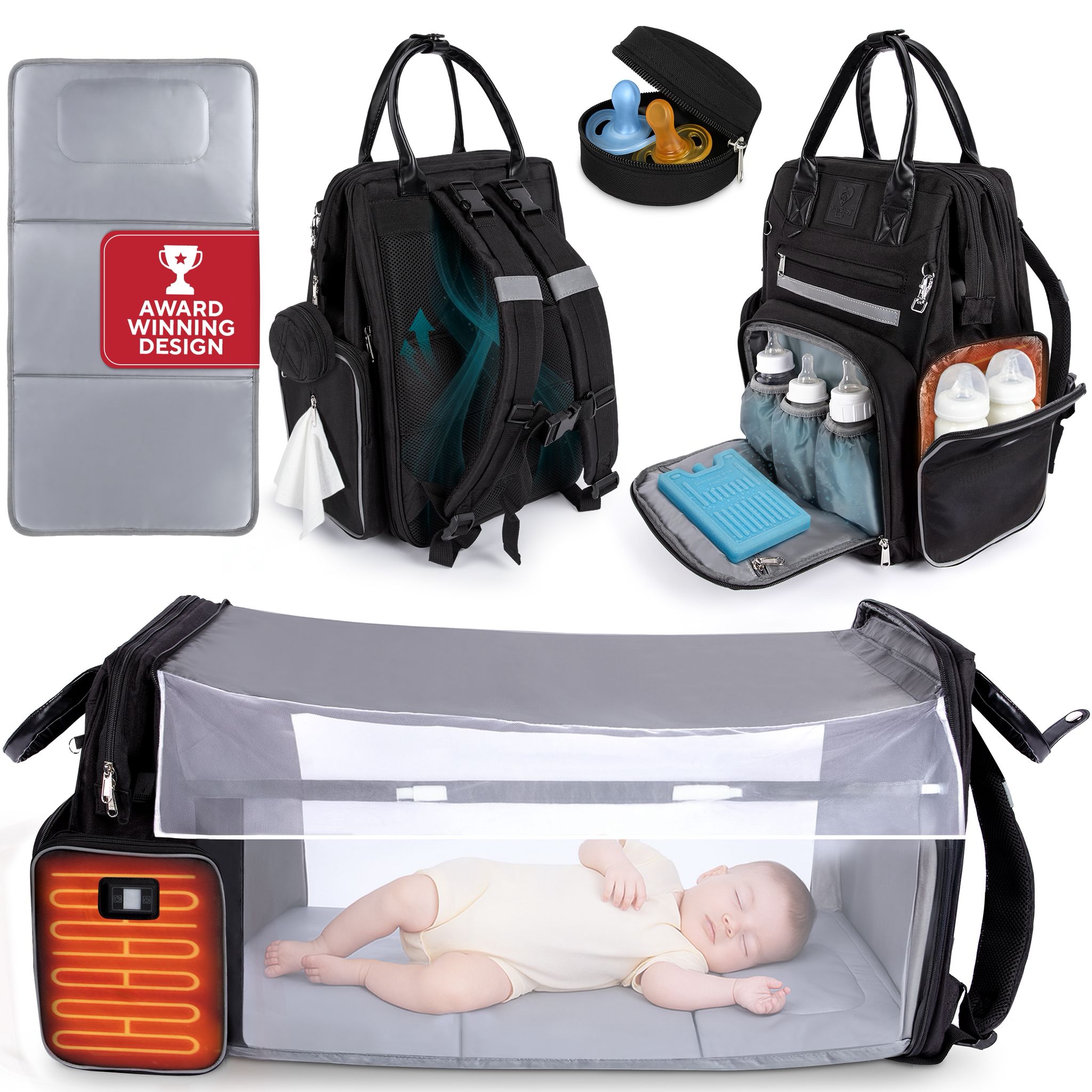


5 Must Have Features in a Diaper Bag with Changing Station
Updated on: February 8, 2026
A diaper bag with changing station combines functionality and convenience for modern parents. This comprehensive guide explores essential features, common mistakes to avoid, and practical tips for selecting the right model. Learn how to maximize organization, portability, and comfort while managing your baby's daily needs on the go. Discover why investing in a quality changing station bag transforms your parenting experience and simplifies travel with infants and toddlers.
Table of Contents
- Common Mistakes to Avoid
- Pros and Cons Analysis
- Quick Tips for Maximum Effectiveness
- Wrap-Up and Key Insights
- Frequently Asked Questions
Understanding the Value of a Diaper Bag with Changing Station
Modern parenthood demands practical solutions that address the challenges of caring for infants and toddlers outside the home. A diaper bag with changing station represents a significant innovation in baby care products, combining storage capacity with an integrated changing platform. This dual-purpose design eliminates the need to search for public changing facilities or balance your child on uncomfortable surfaces. Parents benefit from having a dedicated, hygienic space to change diapers, manage clothing, and organize supplies regardless of their location.
The concept of an integrated changing station within a diaper bag addresses a universal parenting challenge. Whether you are at a restaurant, shopping mall, park, or traveling, having a built-in changing surface ensures your child remains safe and comfortable. These specialized bags feature waterproof materials, multiple compartments, and ergonomic designs that reduce strain on your back and shoulders. The investment in a quality changing station bag pays dividends through improved organization, increased portability, and enhanced peace of mind.
Common Mistakes to Avoid
Underestimating Storage Capacity Requirements
Many parents purchase bags based solely on appearance without considering actual storage needs. A diaper bag with changing station must accommodate diapers, wipes, clothing changes, bottles, and personal items. Selecting a bag with insufficient compartments forces you to overstuff pockets and creates disorganization. Assess your daily routine and estimate the number of supplies you carry before making a purchase decision.
Ignoring Material Quality and Durability
Budget-friendly bags often lack water-resistant or waterproof materials essential for managing spills and accidents. Inferior construction fails after limited use, and zippers break under normal stress. Investment-grade materials like premium polyester, faux leather, or genuine leather withstand daily wear and maintain functionality across years of use. Examine stitching, hardware quality, and fabric weight before committing to a purchase.
Overlooking Changing Station Design and Padding
The changing platform constitutes the core feature of these specialized bags. Some designs offer minimal padding or unstable surfaces that make diaper changes difficult or unsafe. Inadequate waterproofing on the changing pad leads to moisture penetration and material degradation. Prioritize bags with thick, cushioned changing surfaces and complete waterproof protection on the platform itself.
Disregarding Ergonomic Features
Parents often overlook how weight distribution and strap design affect daily comfort. Bags lacking padded straps or proper weight distribution cause shoulder and back pain during regular use. Some designs concentrate weight unevenly, creating postural problems over time. Select bags with adjustable, padded straps and weight distribution systems that balance comfort with carrying capacity.
Failing to Verify Compartment Accessibility
Poor compartment design requires you to unload the entire bag to access needed items. Specialized pockets for bottles, wipes, or pacifiers should be easily accessible without disturbing other contents. Test compartment openings and verify that zippers, snaps, and fasteners function smoothly before purchase.

Parent organizing baby supplies into multiple compartments for easy access
Pros and Cons Analysis
Advantages of Integrated Changing Station Bags
- Provides independent changing surface without relying on public facilities
- Eliminates need to balance baby on knees or uncomfortable surfaces
- Reduces contamination risk through dedicated, controlled changing environment
- Consolidates multiple items into single portable unit for simplified travel
- Waterproof materials protect clothing and prevent moisture damage
- Enhanced organization through specialized compartments and pockets
- Ergonomic design reduces physical strain during daily use
- Professional appearance suitable for various environments and occasions
- Improved peace of mind through ready access to essential supplies
- Extends usability beyond infant stage through durable construction
Disadvantages and Limitations
- Higher initial investment compared to standard diaper bags
- Increased bulk and weight when fully loaded with supplies
- Limited changing surface area may challenge changing larger toddlers
- Attached changing pad reduces overall bag flexibility for other uses
- Some designs have restricted accessibility to certain compartments
- Waterproof materials require specific cleaning methods and care routines
- Style options may be limited compared to traditional diaper bag selections
- Integrated design means damage to changing station affects entire bag usability
- May feel excessive for parents who frequently access home or changing facilities
- Zipper mechanisms can stress under repeated heavy-use scenarios
Quick Tips for Maximum Effectiveness
Organize by Frequency of Use Arrange most-needed items in top or side compartments for quick access. Store backup supplies and occasional items in deeper pockets. This system reduces time spent searching for essentials during diaper changes.
Invest in Packing Cubes and Organizers Use small pouches or organizers within the bag to segment supplies by category. Dedicated wipe holders, bottle organizers, and clothing cubes maintain order and maximize available space.
Establish a Restocking Routine Replenish supplies immediately after arriving home to maintain consistent readiness. This practice prevents running out of diapers, wipes, or clothing changes during outings.
Utilize the Changing Station Platform Strategically Keep the changing pad clean and dry between uses. Store the platform in its designated pocket rather than leaving it exposed to dust or moisture.
Choose Appropriate Placement for Bottles and Liquids Designate specific compartments for bottles and wet items to prevent leakage onto other supplies. Use waterproof pouches for additional protection against spills.
Select Quality Wipe Dispensers Investment in a reliable wipe dispenser prevents drying out and maintains wipe accessibility. Replace covers regularly to ensure hygiene and functionality.
Maintain Proper Strap Adjustment Adjust shoulder straps for proper weight distribution and comfort. Regularly inspect straps for damage and adjust length based on the clothing you typically wear.

Well-organized compartments containing neatly arranged baby essentials and supplies
Create a Seasonal Supply List Adjust contents based on weather conditions and seasonal requirements. Include additional clothing layers during cold months or extra sun protection during summer months.
Practice Quick Setup and Breakdown Develop a routine for deploying and securing the changing station platform. This efficiency reduces stress during diaper changes in various environments.
Monitor and Replace Worn Components Inspect zippers, padding, and waterproof coatings regularly. Address wear and tear promptly to maintain the bag's functionality and extend its usable lifespan.
Wrap-Up and Key Insights
A diaper bag with changing station represents a practical investment for parents seeking convenience, organization, and independence during outings with their children. The integration of a dedicated changing surface within a well-designed bag eliminates numerous challenges associated with managing infants and toddlers away from home. Quality construction, thoughtful organization, and ergonomic features distinguish premium models from basic alternatives.
Success with these specialized bags requires understanding their capabilities and limitations. Avoiding common mistakes such as underestimating storage needs, ignoring material quality, and overlooking ergonomic design ensures you select a bag that meets your family's specific requirements. The advantages of having a portable, hygienic changing surface substantially outweigh the disadvantages for most active families.
Implementation of practical strategies amplifies the effectiveness of your investment. Organized compartments, regular restocking routines, and proper maintenance extend the functional lifespan of your bag and maximize daily convenience. Whether traveling short distances or managing extended outings, a quality diaper bag with changing station empowers parents to handle any situation with confidence and preparedness.
For parents seeking premium solutions, award-winning diaper bags with advanced changing stations offer innovative features and durable construction. Explore specialized baby gear collections to discover options that align with your lifestyle and preferences. Parents who prioritize quality, functionality, and design will find significant value in dedicated changing station bags.
Frequently Asked Questions
What Makes a Changing Station Bag Different from Standard Diaper Bags?
A diaper bag with changing station includes an integrated, padded platform designed specifically for diaper changes. Standard diaper bags focus primarily on storage without providing a dedicated changing surface. The changing station model offers a hygienic, comfortable, and independent solution that eliminates reliance on public facilities or uncomfortable alternatives. The attached changing pad is typically waterproof, cushioned, and folds compactly into a designated pocket within the bag structure.
How Should Parents Clean and Maintain the Changing Station Platform?
Wipe the changing pad surface with a damp cloth after each use to remove moisture and contaminants. Use mild soap and warm water for deeper cleaning, followed by thorough drying before folding and storing. Avoid harsh chemicals or bleach that may degrade waterproof coatings or fabric integrity. Allow the platform to air dry completely to prevent mold or mildew growth. Regular inspection ensures waterproof protection remains effective and the cushioning maintains appropriate support.
Can These Bags Transition Beyond the Diaper Stage?
Quality diaper bags with changing stations often transition effectively into general-purpose travel bags or storage solutions once children outgrow diaper changes. The durable construction and multiple compartments make them suitable for organizing supplies during family outings, school functions, or recreational activities. Some parents repurpose these bags as first-aid kits, emergency supply containers, or travel organizers. The integrated changing platform remains useful for organizing small items even when no longer required for its original purpose. For families seeking continued utility beyond the diaper years, investing in premium construction ensures long-term functionality across varied applications.
What Size Changing Station Bag Best Suits Different Lifestyles?
Parents managing short daily outings benefit from compact designs with essential compartments and moderate capacity. Families taking extended trips, frequent road travel, or managing multiple children require larger bags with expanded storage and organizational features. Consider your typical outing duration, number of children, and the distance from home facilities when selecting size. Backpack-style designs distribute weight evenly for hands-free carrying, while tote or crossbody styles offer quick access and easier loading. Evaluate your specific lifestyle patterns to determine the optimal bag size and configuration for your family's needs.