

Baby essentials guide for new parents must have items
Updated on: February 15, 2026
Preparing for a new baby requires thoughtful consideration of numerous items that support infant health, comfort, and development. This comprehensive guide explores the fundamental products every parent should acquire, from feeding supplies to sleep solutions and safety equipment. Understanding which items are truly essential helps parents make informed purchasing decisions and create a nurturing environment for their newborn.
Table of Contents
- Feeding and Nutrition Supplies
- Sleep and Comfort Items
- Clothing and Dressing Essentials
- Safety and Health Equipment
- Transportation and Mobility Solutions
- Hygiene and Diaper Care Products
- Personal Experience and Insight
- Key Advantages of Proper Preparation
- Quick Tips for New Parents
- Frequently Asked Questions
- Summary and Next Steps
Feeding and Nutrition Supplies
Nutrition forms the foundation of healthy infant development, making appropriate feeding supplies critically important for every household with a newborn. Whether parents choose breast feeding, bottle feeding, or a combination approach, selecting quality products ensures proper nutrition delivery and infant comfort during feeding times.
For families planning to bottle feed, high-quality bottles designed with anti-colic technology help reduce gas and discomfort. Parents should consider acquiring multiple bottles in varying sizes to accommodate growing appetite as infants progress through developmental stages. Sterilizers and bottle brushes maintain hygiene standards essential for preventing bacterial contamination. Formula storage containers protect unopened supplies while ensuring easy access during feeding sessions.
Breast feeding parents benefit from investing in breast pumps that facilitate milk expression and storage. Quality pumps enable mothers to build milk reserves while maintaining flexibility in daily schedules. Nursing bras designed with easy-access closures provide comfort during frequent feeding sessions. Nipple shields and lanolin creams address common challenges and support successful nursing relationships.
High chairs designed for safe feeding represent important purchases for introducing solid foods during later developmental stages. Safety straps and stable bases prevent accidents while parents focus on feeding. Easy-to-clean surfaces reduce contamination risks and simplify daily maintenance routines.

Sterilized bottles arranged in organized storage with feeding supplies visible nearby.
Sleep and Comfort Items
Quality sleep supports healthy growth and development during infancy, making comfortable sleep environments essential for every household. Newborns require safe sleeping surfaces that meet current safety standards and reduce risks associated with sudden infant death syndrome.
Firm, well-fitted crib mattresses form the foundation of safe sleep spaces. Parents should select mattresses specifically designed for infant safety with appropriate density levels that prevent suffocation risks. Fitted sheets manufactured from soft, breathable cotton materials enhance comfort while maintaining safety standards. Multiple sheet sets enable rotation during washing cycles, ensuring clean sleep surfaces daily.
Appropriate bedding reduces temperature regulation challenges common in newborns. Lightweight blankets designed for infant use provide warmth without overheating risks. Sleep sacks and wearable blankets eliminate loose fabric hazards while maintaining comfortable sleeping temperatures throughout the night.
Blackout curtains in sleeping areas help regulate circadian rhythms by limiting light exposure during daytime naps and nighttime sleep periods. White noise machines mask household sounds that might disturb restful sleep. Nightlights with dimmer functions enable nighttime care without exposing infants to bright light that interferes with natural sleep cycles.
Clothing and Dressing Essentials
Appropriate clothing maintains infant comfort and body temperature regulation essential for health and development. Selecting garments manufactured from soft, breathable fabrics reduces skin irritation risks while providing necessary warmth during various seasons.
Multiple bodysuits in various sizes accommodate rapid growth during early infancy. Soft cotton materials minimize skin sensitivity while allowing moisture evaporation that prevents overheating. Snap or button closures facilitate quick diaper changes without removing entire garments.
Seasonal clothing ensures comfort during temperature fluctuations throughout the year. Light layers during warmer months prevent overheating while maintaining appropriate body temperature. Heavier garments and specialized outerwear protect infants during cold weather exposure.
Quality socks and mittens prevent temperature loss from extremities while protecting developing skin from accidental scratching. Non-slip soles on footwear prevent injuries as infants begin mobility development. Protective mittens with soft inner linings safeguard sensitive facial skin without causing irritation.
Specialized clothing for specific activities enhances both safety and convenience. Swimwear designed for infants provides sun protection during water exposure. Cold weather outerwear featuring proper insulation maintains core body temperature during outdoor activities.
Safety and Health Equipment
Comprehensive safety measures protect vulnerable infants from preventable injuries and health complications. Essential safety equipment creates secure environments that support parental confidence and infant wellbeing.
Baby monitors with video capability enable parents to observe sleeping infants while managing household responsibilities. Temperature sensors alert parents to room temperature fluctuations that might affect infant comfort. Monitors with two-way audio allow parental communication that soothes distressed infants.
Thermometers designed for infant use provide accurate temperature readings essential for identifying fever and guiding medical decisions. Non-contact thermometers eliminate discomfort associated with traditional measurement methods while providing rapid results.
Safety gates prevent access to dangerous areas including stairs and rooms containing hazardous materials. Furniture straps prevent tip-over accidents that might cause serious injuries. Outlet covers eliminate electrical hazards common in homes with developing infants.
First aid kits specifically assembled for infant care include bandages, antiseptic solutions, and thermometers appropriate for young children. Emergency contact information and pediatrician details facilitate rapid response during health crises.

Safety equipment organized systematically including monitors and protective devices arranged strategically.
Transportation and Mobility Solutions
Safe transportation requires specialized equipment designed to protect infants during vehicle travel and outdoor movement. Quality products ensure proper positioning that supports developing spinal structures while preventing injury during sudden stops or accidents.
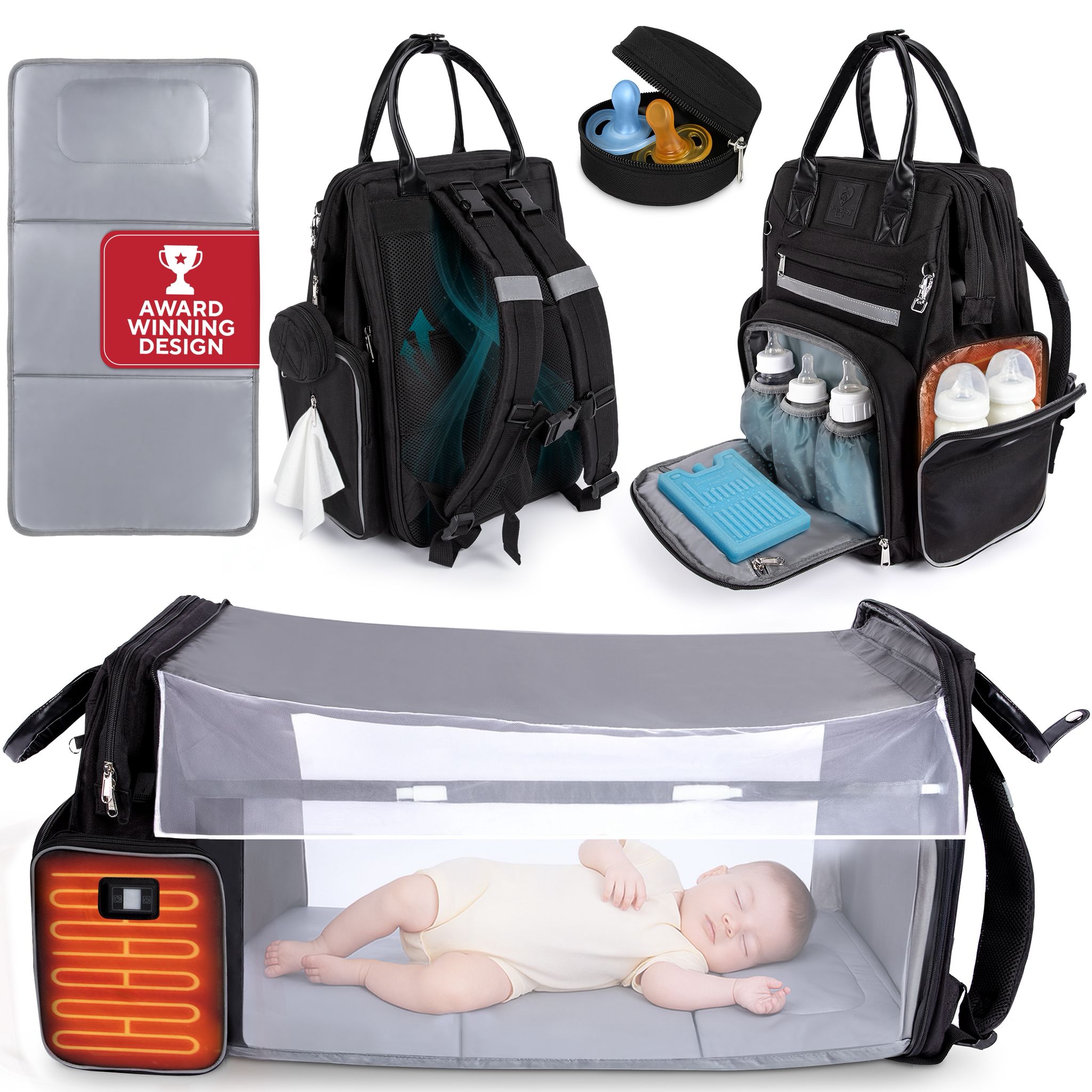
Diaper bags and carrying solutions organize essential supplies for convenient transport during outings. Quality bags feature multiple compartments that separate clean and soiled items while providing easy access to frequently needed supplies. Insulated pockets maintain appropriate temperatures for bottles and temperature-sensitive products.
Strollers designed for infant support provide safe positioning during extended outdoor trips. Adjustable handles accommodate different caregiver heights while reducing strain during extended use. Lockable wheels prevent unintended movement while parking in various environments.
Car seats meeting current safety standards provide essential protection during vehicle travel. Proper installation ensures optimal crash protection while maintaining infant comfort during extended drives. Covers designed for car seats protect infants from sun exposure and environmental elements while allowing appropriate air circulation.
Carriers enabling hands-free infant transport facilitate multitasking during daily activities. Ergonomic designs distribute weight evenly while supporting infant development. Multiple carrying positions accommodate different infant ages and parental preferences.
Hygiene and Diaper Care Products
Maintaining proper hygiene prevents diaper rash, skin infections, and other complications common in infants. Quality diaper care products support skin health while managing natural bodily functions essential for development.
Premium diapers manufactured with absorbent materials keep skin dry while preventing leakage that might disrupt sleep or cause discomfort. Hypoallergenic formulations reduce irritation in sensitive skin. Various sizes accommodate growth from newborn through toddlerhood, requiring regular size adjustments as infants develop.
Diaper cream containing protective ingredients creates moisture barriers that prevent irritation and infection. Natural formulations minimize exposure to potentially irritating chemicals while providing effective protection. Applications during diaper changes address early irritation before serious rash development occurs.
Gentle cleansing wipes designed specifically for infant skin maintain cleanliness while minimizing irritation from harsh chemicals. Fragrance-free formulations reduce sensitivity reactions common in newborns. Warm water and soft cloths serve as effective alternatives for sensitive-skinned infants requiring maximum gentleness.
Bath products formulated for infant use gently cleanse developing skin without disrupting natural moisture balance. Mild cleansers prevent dryness while removing environmental contaminants accumulated during daily activities. Specialized hair products designed for infant scalps address cradle cap and maintain healthy scalp conditions.
Personal Experience and Insight
First-time parents often feel overwhelmed by seemingly endless product recommendations and marketing claims surrounding infant care supplies. During pregnancy preparation, one expectant mother discovered that focusing on truly essential items rather than aspirational purchases created a more manageable registry and budget.
She prioritized items used daily such as quality diapers, feeding supplies, and safe sleep equipment while deferring discretionary purchases to after birth. This approach enabled relatives and friends to provide genuinely useful gifts while avoiding duplicate or unnecessary items cluttering nurseries and storage spaces.
After delivery, she recognized that her most-used items were precisely those identified during thoughtful preparation phases. Comfortable clothing enabling easy diaper access, reliable transportation solutions, and well-organized supply storage proved invaluable during those demanding early weeks. Parents who thoughtfully evaluate genuine needs rather than marketing-driven desires experience greater satisfaction and financial efficiency.
Key Advantages of Proper Preparation
- Enhanced Infant Safety: Quality equipment meeting current safety standards protects vulnerable infants from preventable injuries and health complications during critical developmental periods.
- Improved Parental Confidence: Comprehensive preparation reduces anxiety about providing adequate care by ensuring necessary supplies are readily available during demanding early weeks.
- Financial Efficiency: Thoughtful selection of truly essential items prevents wasteful spending on unnecessary products while directing limited budgets toward genuine needs.
- Reduced Daily Stress: Having appropriate supplies organized and accessible eliminates frustration from searching for needed items during time-sensitive caregiving moments.
- Healthy Infant Development: Quality sleep environments, proper nutrition, and appropriate clothing support healthy physical and cognitive development during critical early months.
- Extended Product Lifespan: Investing in quality items ensures durability across multiple uses and potential future children, maximizing long-term value.
- Simplified Cleaning Routines: Products designed with easy-cleaning features reduce time spent on maintenance while improving hygiene standards.
Quick Tips for New Parents
- Create a prioritized registry focusing on frequently used daily items before aspirational products or novelty gifts.
- Research safety standards and certifications for all equipment designed for direct infant contact or safety purposes.
- Purchase multiple quantities of items used constantly such as sheets, clothing, and diapers to reduce laundry frequency.
- Organize supplies in accessible locations near primary caregiving areas to maximize efficiency during demanding moments.
- Select neutral-colored items enabling use across multiple children if future siblings are anticipated.
- Investigate quality product reviews from trusted sources before making significant purchases to ensure alignment with your values and needs.
- Prepare a secondary diaper bag or supply station in frequently occupied rooms to minimize travel during caregiving moments.
- Invest in storage solutions enabling easy access while keeping supplies organized and protected from contamination.
- Connect with experienced parents for recommendations based on genuine usage rather than marketing claims.
- Remember that simple, quality items often provide better value than complex products featuring numerous features.
Frequently Asked Questions
What are the absolute minimum items needed before bringing home a newborn?
Essential items include a safe sleeping surface with fitted sheets, diapers and changing supplies, appropriate clothing in multiple sizes, feeding supplies matching your nutrition plan, and a car seat enabling legal transportation from the hospital. Additional items such as a thermometer, monitor, and basic first aid supplies provide important safety support during early weeks. Many families expand their supplies gradually after birth based on genuine needs rather than attempting to purchase everything before delivery.
How can parents determine if a product is truly essential or simply marketing-driven?
Evaluate whether a product addresses a genuine daily need or solves a specific problem you anticipate encountering. Research how frequently experienced parents use the item and whether alternatives exist using items you already own. Consider the actual usage duration before outgrowing the product due to infant development. Prioritize items you will use multiple times daily over those addressing occasional situations. Reading honest reviews from parents with similar values and circumstances provides valuable perspective on actual utility versus marketing appeal.
What is the typical budget for acquiring essential baby supplies?
Budget varies significantly based on location, quality preferences, and whether items are purchased new or acquired secondhand. Most families allocate between one thousand five hundred and three thousand dollars for initial supplies, though thoughtful purchasing and accepting hand-me-downs significantly reduces costs. Quality storage solutions and organizational systems often prove more cost-effective long-term than purchasing numerous separate items. Prioritizing frequently used items and deferring discretionary purchases until after birth enables more accurate spending based on actual needs.
Summary and Next Steps
Preparing for a new infant requires thoughtful evaluation of genuine needs rather than pursuing exhaustive product lists that overwhelm and overcomplicate early parenting experiences. Essential supplies for feeding, sleeping, clothing, safety, transportation, and hygiene create a foundation supporting healthy development and parental confidence during demanding early weeks.
Begin your preparation by identifying your family's specific circumstances including feeding approach, climate considerations, and anticipated activity levels. Research products addressing these particular needs rather than pursuing generic recommendations unsuitable for your situation. Invest in quality items you will use frequently while deferring discretionary purchases until after birth when actual needs become apparent.
Connect with experienced parents, pediatric professionals, and trusted resources for personalized guidance addressing your family's unique circumstances. Remember that early parenting success depends more on thoughtful preparation meeting your specific needs than accumulating extensive product collections. Start with essentials, expand gradually based on genuine needs, and maintain flexibility as your infant develops and family preferences evolve throughout these transformative early months.


Ana is a mom of two, former daycare owner, and experienced school teacher. She specializes in early childhood care and development, offering practical advice on baby care, toddler behavior, and child growth. At JustBaby LUV, Ana combines her personal and professional expertise to support families and help them thrive in the early years.
The content in this blog post is intended for general information purposes only. It should not be considered as professional, medical, or legal advice. For specific guidance related to your situation, please consult a qualified professional. The store does not assume responsibility for any decisions made based on this information.